 Ваша оценка
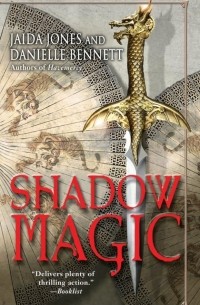
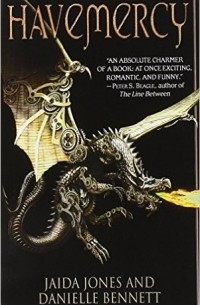
This stunning epic fantasy debut introduces two exciting new authors—and a world brimming with natural and man-made wonders, extraordinary events, and a crisis that will test the mettle of men, the boundaries of magic, and the heart and soul of a kingdom.
Thanks to its elite Dragon Corps, the capital city of Volstov has all but won the hundred years’ war with its neighboring enemy, the Ke-Han. The renegade airmen who fly the corps’s mechanical, magic-fueled dragons are Volstov’s greatest weapon...
Жанры
Издательство:
ISBN:
978-0553591378
Год издания:
2009
Язык:
Английский
448 pages
Возрастные ограничения:
18+
Рейтинг LiveLib
4,0
1 оценка
- 50%
- 4100%
- 30%
- 20%
- 10%
Ваша оценкаПрочитали 1Хотят прочитать 2
Рецензии
На эту книгу еще нет ни одной рецензии. Ваша может стать первой.