
Литературоведение, литературная критика, история литературы
innashpitzberg
- 269 книг

Ваша оценка
Ваша оценка
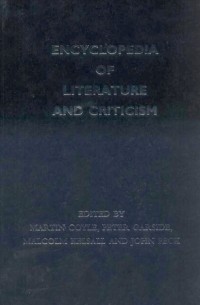
Огромная энциклопедия литературы и литературной критики в 1300 страниц. Очень много интересного и полезного материала, прекрасно составлена и отредактирована.
Большую часть я прочитала дважды - начинала еще два года назад, с перечитываниями и перерывами. Читается легко и интересно, но объем информации и анализа огромен, поэтому вполне логично, что чтение заняло в общей сложности два года.
Если вы влюблены в литературу, в особенности в англоязычную, так, как влюблена в нее я, и если есть терпение и время, а главное, интерес к такому специфическому, энциклопедическому виду литературоведения и литературной критики, то могу порекомендовать от всей души.

Tolstoy’s War and Peace (1863-9), which many claim to be the realist masterpiece par excellence, has the largest possible theme: what are war and peace if not the twin poles between which nations have swung from time immemorial? But, apart from the campaigns, victories and defeats for which the historical record vouches, the events that affect Tolstoy’s characters have nothing out of the ordinary: old people die, young people fall in and out of love, get married and have children, the thoughtful meditate on the meaning of life, the thoughtless give themselves up to enjoyment; they all grow older, more sedate, more serious, as the years march on. In the plot of War and Peace there is nothing in any way exceptional; Tolstoy made of it an exceptional novel by the art with which he wove his epic story round dozens of lives, all distinct, all fascinating, because they were all, in their different ways, utterly human, truer than any biographer could make his subject.

The coalescence of epic and romance in the great narrative poems of the sixteenth century, Orlando Furioso, Gerusalemme Liberata, Os Lusiadas and The Faerie Queene, and the struggle of the theorists of the period over the distinction between epic and romance also point to the need to conceptualize competing narrative possibilities rather than a rigid separation between them.

It is true that the history of poetry is full of schools, wars, and youthful rebellions.