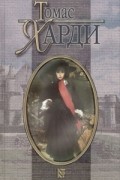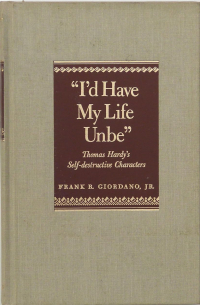


В предисловии к этой работе, Фрэнк Джордано, профессор английской литературы и преданный поклонник и исследователь творчества Томаса Гарди, говорит о том, каким разным и многоликим представляется Гарди литературным критикам:
WHILE READING, teaching, and writing about Thomas Hardy over the past decade and a half, I have continually wondered at his emotional capaciousness and his technical versatility. He has been described by critics as a pessimist, a meliorist, a tragedian, a humorist, a realist, a romanticist, an antiromanticist, a symbolist, a love poet, a poet of despair, an agnostic, and a writer with a theological obsession. In the playful words of his own brief poem, he describes himself as "so various":
All these specimens of man, So various in their pith and plan, Curious to say Were one man. Yea, I was all they.
Фрэнк Джордано написал много интересных работ о творчестве моего любимого Томаса Гарди, в этой же, одной из самых его известных, он сосредоточился на теме отчаяния в характерах героев Гарди вообще, и на теме стремления, явного или скрытого, к самоубийству, в частности.
An undeniable gothic strain in Hardy's nature led him to play with the terrible realities of suffering and death; still, we should not underestimate the seriousness of his preoccupation with suicide.
Да, известно, что в творчестве Гарди много трагического. Этого нельзя не увидеть и в самих его замечательных романах и стихах, и в его Автобиографии, вышедшей под именем его второй жены Флоренс.
Джордано пытается систематизировать это трагическое, исходя из некой классификации, замешанной на Фрейде и других авторитетах конца 19 - начала - середины 20 веков с длинными экскурсами в психологию, психиатрию и историческую перспективу. Сама классификация показалась мне не очень убедительной, но при этом общие выводы Джордано и, главное, его подробный разбор главных трагических героев Гарди, очень понравился.
Во многом перекликается с Автобиографией , что, наверное, и было задумано. Автор очень хорошо изучил творчество Гарди, а мне всегда очень интересно читать хорошее литературоведение о любимых писателях. Ну и, если вы любите Гарди так, как люблю его я, то почти уверена, что вам тоже понравится.
At the very heart of Hardy's greatest writings is a sense of the fragility of man's attachment to life and the extreme toll in suffering often exacted of sensitive human beings. Life in the Godless, absurd universe is cruel; for many of its victims, Hardy believed, and repeatedly stated, it would have been better had they never been born.
 20 понравилось