

Это новая версия страницы. Часть функций ещё в работе — мы добавляем их постепенно.
К старой версии страницы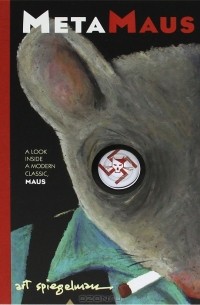
 Ваша оценка
'Spiegelman has turned the exuberant fantasy of comics inside out by giving us the most incredible fantasy in comics' history: something that actually occurred. MAUS is terrifying not for its brutality, but for its tenderness and guilt.' — New Yorker
MAUS is widely renowned as one of the greatest pieces of art and literature ever written about the Holocaust. It is adored by readers and studied in colleges and universities all over the world. But what led Art Spiegelman to tell his father's stor...
Жанры
Издательство:
ISBN:
978-0-670-91683-2, 0670916838
Год издания:
2011
Язык:
Английский
Твердый переплет, 300 стр.
Формат: 168x236x32 мм
Вес: 938 г
Возрастные ограничения:
18+
Рейтинг LiveLib
3,7
3 оценки
- 533%
- 433%
- 30%
- 233%
- 10%
Ваша оценкаПрочитали 3Хотят прочитать 16
Рецензии
На эту книгу еще нет ни одной рецензии. Ваша может стать первой.









Цитаты
Все цитаты
 1 понравилось
Подборки с этой книгой

Лауреаты премии Айснера

- 308 книг

«Книжная полка». Тур 19. Август 2016. Голосование завершено

- 47 книг

Хочу получить в подарок или купить.
- 46 книг