


Литературоведение, литературная критика, история литературы

- 269 книг
Это бета-версия LiveLib. Сейчас доступна часть функций, остальные из основной версии будут добавляться постепенно.
 Ваша оценкаВаша оценка
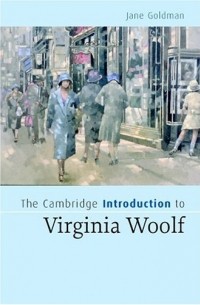
Reading Virginia Woolf will change your life, may even save it. If you want to make sense of modern life, the works of Virginia Woolf remain essential reading. More than fifty years since her death, accounts of her life still set the pace for modern modes of living. Plunge (and this Introduction is intended to help you take the plunge) into Woolf ’s works – at any point – whether in her novels, her short stories, her essays, her polemical pamphlets, or her published letters, diaries, memoirs and journals – and you will be transported by her elegant, startling, buoyant sentences to a world where everything in modern life (cinema, sexuality, shopping, education, feminism, politics, war and so on) is explored and questioned and refashioned.
За неимением пока доступа к "Cambridge companion to Virginia Woolf", это Кэмбриджское "Введение в Вирджинию Вульф" очень даже неплохо.
В этой книге - краткий обзор ее произведений, художественных и других (критика, мемуары, дневники), краткая биография с очень интересным обзором биографической литературы на тему, и очень интересная глава о критическом наследии Вирджинии Вульф - дается обзор работ о ее творчестве по темам и периодам в литературоведении, подчеркивается и разбирается ее особая роль в установлении и развитии модернистских и феминистских литературоведческих направлений, и много всего интересного.
И бонус - для особо увлеченных - список для дальнейшего чтения.
There are numerous biographies of Woolf. Biography has been highly influential in shaping the reception of Woolf ’s work, and her life has been as much debated as her writing. I would recommend the following three which represent three different biographical contexts and a range of positions on Woolf ’s life: Quentin Bell’s Virginia Woolf: A Biography (1972), Hermione Lee’s Virginia Woolf (1996), and Julia Briggs’s Virginia Woolf: An Inner Life (2005). There is no one, true biography of Woolf (as, indeed, there cannot be of any subject of biography), but these three mark important phases in the writing and rewriting of Woolf ’s life. Hot debate continues over how biographers represent her mental health, her sexuality, her politics, her suicide, and of course her art, and over how we are to understand the latter in relation to all the former points of contention.


