
Отзывы о книге Miles: The Autobiography
 lazy_ocean24 августа 2016
Black man's taking no losses
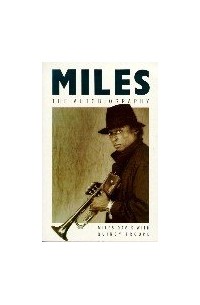
I knew, I knew this biography (not "autobiography", if you'll excuse me) is going to be a nice one after the first words: "The greatest feeling I ever had in my life (with my clothes on) was..." And it was, but you better be ready to hear the story from the genius himself, from the person who knew exactly how great he is. He knew it every second of his life or, at least, that's what he wanted us to think. The point is, he had all the courage (and maybe even every right) to quite openly say how far he is with his genius from the other musicians who were close to him during his life. And that's the most unusual (or not?) part: I can't really remember any auto\biography or just book that wouldn't be so centered at the very person, sharing with you so many facts and stories about the people around, but at the same time telling you everything quite literally being passed through the author himself. Oh wait! I can, actually! Isn't it the very way of beatniks to write? So this is what you get: even if you've never heard of some jazzmen mentioned by Miles in this book, at the end you find yourself not only knowing a scary lot about some of them, but you also fell in love with many new jazz things (he will literally make you go and listen to it). But here's the thing: it's impossible to count how many times Miles was giving you the understanding of the fact that if the person leaves his band, he's not gonna do any better. He's just not the same. He was at his best only playing with the king Miles himself. And that was precisely the one and only time when I closed the book and was about to never open it again - when he said the very same thing about my favorite Bill Evans. But anyway, aren't all the genius the same way? It's difficult to check how the writing style in autobiographies is matching the life or work of persons, but in this book you can find a beautiful thing: from some point of his career, Miles stopped having breaks between songs, he was kind of "seguing from one tune right into the next". And that is the only way you can read this biography right: following Miles in every twist of fate, searching for the covers of his albums to look at his favorite women once more, not being frighten away by some nasty drug stories and dubious obsessions, trying not to be upset about his ego and derogatory words about some of your favorite jazz musicians and also being patient and understanding reading all these passages about "black culture" and "white embezzlement". But that's the way he was. And that is exactly why this almost autobiographic thing can be called a good one. Because I heard the legend.
 2 понравилось76

Комментарии 0
Ваш комментарий
, чтобы оставить комментарий.
Комментариев пока нет,
ваш может стать первым