

A Book That Speaks to the Heart of Identity, History, and Resilience
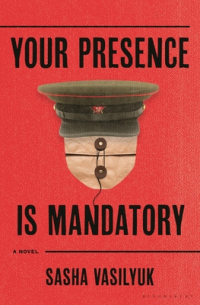
Some books are more than stories—they’re bridges between generations, mirrors of shared pain, and reminders of truths the world must not forget. Your Presence Is Mandatory by Sasha Vasilyuk is one such book, and it’s deeply personal to me.
The author, a Jewish descendant of Ukrainian ancestors, writes with a voice that feels like a kindred spirit—someone who understands where we’re from, who has heard similar stories from their grandparents, and who carries the weight of shared history. Though born in Ukraine, their journey led through Russian-speaking environments shaped by the Soviet regime’s attempts to erase identity and culture—something I understand intimately.
This story, rooted in their family history but beautifully fictionalized, follows a Jewish man surviving the horrors of WWII and life as a POW. It’s a tale of secrets kept for decades, of identity lost and rediscovered, all under the shadow of the Soviet Union’s cruelty. It’s not just a book about survival—it’s about the damage done when a regime seeks to strip people of who they are.
What makes this book even more significant today is how it speaks to the roots of modern Russian aggression against Ukraine. It shows the continuity of cruelty, the ideology that led to oppression then, and how it has now grown into a new war. Yet, incredibly, there has been unfair criticism of this book on Goodreads. This deeply upset me because the book doesn’t justify Russian aggression or erase Ukrainian identity—on the contrary, it highlights the importance of Ukraine’s independence, its unique identity, and the suffering caused by attempts to keep it in Russia’s shadow.
I began this book with a heavy heart, thinking of my family who still lives in Ukraine and the daily worry we carry for them. But reading it and sharing it with my American and international friends feels vital. Stories like this help emphasize to the world that Ukraine and Russia are not the same, that their values, identities, and histories diverge sharply—and that the “common history” many speak of was one of oppression and tragedy for Ukraine.
One scene from the book will stay with me for a long, long time: Yefim’s recurring nightdream of a dark-haired woman holding an infant in her arms. For me, it’s the perfect symbol of hope, love, and belief in the future.
This is a book I’ll recommend not just for its powerful storytelling but because it helps educate and build understanding. It’s a piece of literature that contributes to the fight for Ukraine’s voice to be heard, for its history to be known, and for its sovereignty to be respected.
 4 понравилось