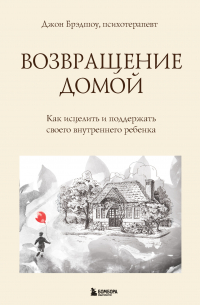
•the wounded inner child is responsible for much
of the violence and cruelty in the world
•both people pleasers and narcissists are not genuine. They act the way they do to get affirmation from others. While their real Self may be hurt
•As addiction specialist Patrick Carnes has pointed out, a person who never learned to trust confuses intensity with intimacy, obsession with care, and control with security.
•the primary motivating force in our lives is emotion
•working as a victims defender, finding abusing partners, engaging in risky behaviors, hyper-control is acting out of trauma
•chronic self-criticism, food disorders, self-harm, psychosomatic, depression, addictions is acting in due to repressed emotions
•if you tell children that their behavior is directly responsible for someone else's feelings, you are reinforcing children's magical thinking. It implies that some event or person could change her reality without her doing anything to change her behavior.
•Many adult children move back and forth between the fear of abandonment and the fear of engulfment.
•an adult rejects that child's authentic self. In order to believe he is loved, the wounded child behaves the way he thinks he is supposed to. The false self becomes who the person really thinks he is.
•It is impossible to be intimate if you have no sense of self. How can you share yourself with another if you do not really know who you are?
•our boundaries tell us when our feelings are about ourselves and when they are about others.
•When a child is wounded through neglect or abuse, his boundaries are violated. This sets the child up for fears of being either abandoned or engulfed. When a person knows who he is, he doesn't fear being engulfed. When he has a sense of self-value and self-confidence, he doesn't fear being abandoned.
•a child which feels ashamed of his gender, may later exhibit varying degrees of submissive sexual acting out.
•when a person doesn't know how to be close to another person, they exhibit fetishes and sexual objectification
•When our inner child is wounded, we feel empty and depressed. Life has a sense of unreality about it; we are there, but we are not in it. This emptiness leads to loneliness. Because we are never who we really are, we are never truly present. And even if people admire and hang on to us, we feel alone.
•If the child distrusts caregivers they distrust the world and become pessimistic. They come to believe that they must manipulate in order to get needs met.
•when the child matters to caregivers, it is indicated by the amount of time they spend with them
•In healthy family systems the roles are flexible and shared; in unhealthy systems the roles are rigid and frozen.
•The rule of thumb is that whenever a child is more important to a parent than the parent' s spouse, the potential for emotional sexual abuse exists. This constitutes abuse because the parent is using the child for his own needs.
•When children are sexually abused, they feel they are not lovable as they are, and they become exhibit antisexual or supersexual tendencies in order to feel that they receive attention and they matter.
•Screaming and yelling at children is emotional abuse. It violates their sense of value.
•Our emotions are forms of immediate experience. When we are experiencing our emotions, we are in direct contact with our physical reality.
•when we stop our painful emotions, they are numbed by tensing muscles: jaws, shoulders
•Ongoing painful experiences actually engrave new circuits in the brain, so that it becomes more prepared to recognize painful stimulus that another person might not notice.
•ego defenses are shock, denial, depression, anger
•The feeling of the feelings is what is crucial. You can't heal what you can't feel!
•To be a good parent, you must be mentally healthy. You must have healed your own wounded inner child.
•Imagine that you adopt your inner child. Write them a letter
•Forgiveness is about no longer carrying unfinished business from the past, and no longer contaminating the present.




 67 понравилось