
 Ваша оценка
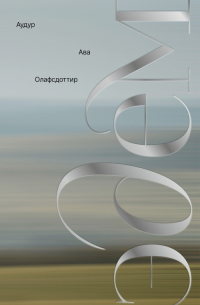
From the brilliant psychoanalyst behind Strictly Bipolar and What is Madness, a short and fascinating guide to the history of human sleep - and why we can't seem to sleep any more
'Persuasive, absorbing and refreshingly sane... [A] bracing and important intervention in the debate... Leader points the way to a richer and more humane understanding of our problems with sleep' Guardian
One in four adults sleeps badly.
Sleeping pill prescri
Жанры
Издательство:
ISBN:
9780241984437
Год издания:
2019
Язык:
Английский
224 страницы
Возрастные ограничения:
18+
Рейтинг LiveLib
3,5
2 оценки
- 50%
- 4100%
- 30%
- 20%
- 10%
Ваша оценкаПрочитали 2Хотят прочитать 1
Рецензии
На эту книгу еще нет ни одной рецензии. Ваша может стать первой.