
NON-FICTION
steppeulven
- 1 049 книг

Ваша оценкаЖанры
Ваша оценка
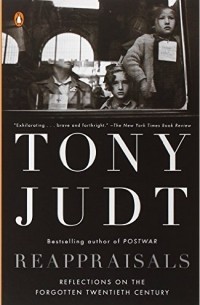
But now that the concept of “evil” has reentered discursive usage, we don’t know what to do with it. In Western usage today the word is deployed primarily to denote the “unique” evil of Hitler and the Nazis. But here we become confused. Sometimes the genocide of the Jews—the “Holocaust”—is presented as a singular crime, the twentieth-century incarnation of an evil never matched before or since, an example and a warning: “Never again.” But at other times we are all too ready to invoke that same evil for comparative purposes, finding genocidal intentions, “axes of evil” and “Hitlers” everywhere from Iraq to North Korea, and warning of an impending repeat of the unique and unrepeatable every time someone smears anti-Semitic graffiti on a synagogue wall or expresses nostalgia for Stalin. In all this we have lost sight of what it was about twentieth-century radical ideologies that proved so seductive and thus truly diabolical. Sixty years ago Arendt feared that we would not know how to speak of evil and would thus never grasp its significance. Today we speak of it all the time—with the same result.

Democracies in which there are no significant political choices to be made, where economic policy is all that really matters—and where economic policy is now largely determined by nonpolitical actors (central banks, international agencies, or transnational corporations)—must either cease to be functioning democracies or accommodate once again the politics of frustration, of populist resentment.

The fact that Fascists and Communists also explicitly sought a dominant role for the state does not in itself disqualify the public sector from a prominent place in free societies; nor did the fall of Communism resolve in favor of the unregulated market the question as to the optimum balance of freedom and efficiency. This is something any visitor to the social-democratic countries of northern Europe can confirm. The state, as the history of the last century copiously illustrates, does some things rather well and other things quite badly. There are some things the private sector, or the market, can do better and many things they cannot do at all. We need to learn once again to “think the state,” free of the prejudices we have acquired against it in the triumphalist wake of the West’s cold war victory. We need to learn how to acknowledge the shortcomings of the state and to present the case for the state without apology. As I conclude in Chapter XIV, we all know, at the end of the twentieth century, that you can have too much state. But . . . you can also have too little.
Другие издания