
экономика
eugenbugaev
- 17 книг

Ваша оценкаЖанры
Ваша оценка
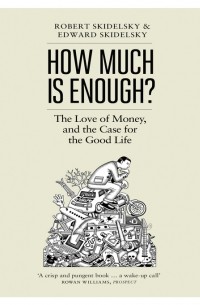
Хотя в основе книги лежит экономический вопрос, "Сколько денег надо обществу для счастливой жизни?", она не об экономике, а о морали. Написанная в соавторстве политиком и философом, "How much is enough?" рассматривает пределы роста экономики производства и потребления в историческом и моральном контексте.
Мне, как человеку, предпочитающим экономику и историю вопросам морали и философии, весьма понравились первые две главы и конец третьей.

The two traditions of thought examined here, post-Rawlsian liberalism and neoclassical economics, both forbid any public preference for this or that way of life. Neither has any objection to individuals deciding for themselves that a certain lifestyle is "good" and working no harder than they need to support it.

The principle of state neutrality is now so well estalbished that we sometimes forget how revolutionary it is. Until 1960s, liberalism was primarily a doctrine of tolerance, not neutrality. The distinction is significant. Tolerance is not mere absence of bias but a positive ethical virtue; it implies forbearance, serenity, good humour anda respect of privacy. But tolerance does not rule out public preference for one moral or religious doctrine over the others; it insists only that the rivals be treated with consideration and respect. Finally, tolerance needs not extend to the intolerable, whereas neutrality must in all consistency be universal. The tolerant state does not face the dilemma of the neutral state when dealing with necrophiliacs, neo-Nazis and the like.

The economist Fred Hirsch relabelled Harrod's "oligarchic" goods "positional", because acces to them depends not on our absolute wealth but on our position to others. Like top prizes in a tournament, positional goods cannot be won by everyone. They will always be scooped by the richest of the society, whatever the overall level of affluence. Competition to acquire them will therefore never cease.