
Книги для писателей
taecelle
- 148 книг

Ваша оценка
Ваша оценка
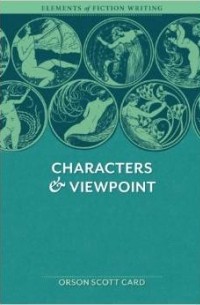
The limited third-person strategy is to trade time for distance. Sure, we spend more time getting through the same amount of story, but in return we get a much deeper, more intense involvement with the lives of the viewpoint characters. The omniscient narrator is always there, tugging at our hands, pulling us from place to place. We see everything and everybody as the narrator sees them, not as the characters see them. We are always outside looking in.

As an omniscient narrator, you float over the landscape wherever you want, moving from place to place in the twinkling of an eye. You pull the reader along with you like Superman taking Lois Lane out for a flight, and whenever you see something interesting, you explain to the reader exactly what's going on. You can show the reader every character's thoughts, dreams, memories, and desires; you can let the reader see any moment of the past or future.
The limited third-person narrator, on the other hand, doesn't fly freely over the landscape. Instead, the limited narrator is led through the story by one character, seeing only what that character sees; aware of what that character (the "viewpoint character") thinks and wants and remembers, but unable to do more than guess at any other character's inner life. You can switch viewpoint characters from time to time, but trading viewpoints requires a clear division-a chapter break or a line space. The limited third-person narrator can never change viewpoints in mid-scene.

In fact, there are so many possibilities that I find that when I'm at the keyboard telling a story, it's almost as if I'm acting. I'm "in character," improvising the performance of my story using words and syntax that one of the characters in my tale might use. This makes sense when I'm using a first-person narrator. The narrative voice has to sound like the first-person narrator; if it doesn't, it's a flaw in the author's technique.
But I find myself writing "in character" even when I'm using third person, even when the narrator isn't a specific person at all. I usually write in a voice similar to the voice of the viewpoint character, even though that character is not the narrator. In reading other writers' work, I find that, as often as not, they do the same thing.


Другие издания