 Ваша оценка
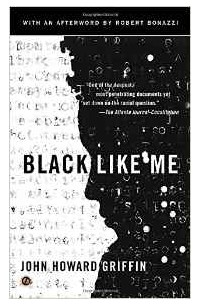
In the Deep South of the 1950s, journalist John Howard Griffin decided to cross the color line. Using medication that darkened his skin to deep brown, he exchanged his privileged life as a Southern white man for the disenfranchised world of an unemployed black man. His audacious, still chillingly relevant eyewitness history is a work about race and humanity-that in this new millennium still has something important to say to every American.
Издательство:
ISBN:
978-0451234216
Год издания:
2010
Язык:
Английский
200 страниц, Мягкая обложка
Формат: 10.8 x 1.4 x 19 cm
Язык: English
Возрастные ограничения:
18+
Рейтинг LiveLib
4,0
6 оценок
- 517%
- 483%
- 30%
- 20%
- 10%
Ваша оценкаПрочитали 5Хотят прочитать 16
Рецензии
На эту книгу еще нет ни одной рецензии. Ваша может стать первой.




















Подборки с этой книгой
"Негр" в литературном произведении! А много ли пишут о них, и так ли уж оскорбительно это слово, может действия тех "белых" и этих "черных" необходимо порицать и запрещать...А не кидаться на литературу и вымарывать шикарные произведения, где есть сло

- 539 книг

501 Must-Read Books / 501 книга, которую нужно прочитать

- 501 книга
Нужно осилить до конца 2018 года
- 7 833 книги
Расизм в США

- 143 книги
Black history month

- 112 книг