


 Ваша оценка
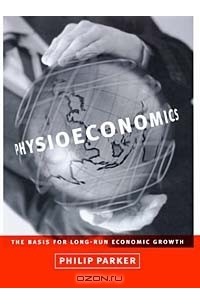
According to Philip Parker, the relationship between physics-based physiology and macroeconomics may come to dominate explanations of economic growth. His argument focuses on the so-called equatorial paradox--the phenomenon that a country's latitude explains up to 70 percent of cross-country variances in per capita income. After introducing concepts from physics and physiology as the building blocks of homeostatic utility, he explains the role of homeostatic utility in economic growth. Specifica...
Жанры
ISBN:
026216194X
Язык:
Русский
Возрастные ограничения:
18+
Рейтинг LiveLib
3,0
1 оценка
- 50%
- 40%
- 3100%
- 20%
- 10%
Ваша оценкаПрочитали 1Хотят прочитать 1
Рецензии
На эту книгу еще нет ни одной рецензии. Ваша может стать первой.



















Цитаты
Еще не добавлена ни одна цитата из книги. Ваша может стать первой.


