

innashpitzberg
10 августа 2012
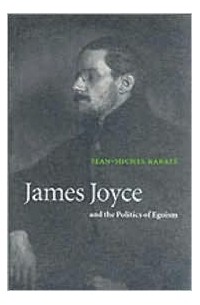
This is a book without an Introduction or a Conclusion. Just twelve chapters in an order which, although not random, will not be immediately perceptible. It should look like a dodecaphonic series harping on a handful of key motifs – the ego as symptom of literary modernity; the pervasive tension between egoism and hospitality; late Modernism defined less by formal innovation than by an emphasis on a new reader; the curious interactions, antagonistic and yet parallel, between Joyce's esthetic program and the emergence of Irish nationalism, to name but a few.
Совершенно блестящая, но очень сложная работа. Тут философии гораздо больше, чем чисто литературной критики, хотя и того, и другого хватает.
Читала маленькими порциями, и все равно, каждый раз после прочтения нескольких абзацев, чувствовала, что мне мозги таки сносит.
Но зато теперь, ура!, я чувствую, что абсолютно готова к чтению "Уэйка Финнегана". Смело в бой и ничего не боюсь!
Хотя, зная мой дурацкий характер, не удивлюсь, если через какое-то время обнаружу, что я не давно запланированный Уэйк читаю, а в четвертый раз перечитываю Улисса.
Even if I am in sympathy with the idea that Joyce is fundamentally a Hegelian writer, I would not want to see in Finnegans Wake “the night in which … all cows are black” to quote Hegel's jest at the expense of Schelling and all the Romantic idealists who assume that the Absolute can be “shot out of a pistol” just like that. The mistake of Romantic philosophers was to avoid a careful retracing of all the steps through which consciousness can ultimately reach back to the Absolute – which is, in brief, the main object of the Phenomenology of Spirit.
 24 понравилось
66