
Хочу прочитать (и надеюсь, что прочитаю) в 2013
innashpitzberg
- 15 книг
Это бета-версия LiveLib. Сейчас доступна часть функций, остальные из основной версии будут добавляться постепенно.

Ваша оценкаЖанры
Ваша оценка
Очень многие писатели считали себя прежде всего поэтами, даже те, кто, как Катаев, за всю жизнь не опубликовали ни одного стиха. Есть это в поэзии - мощное, прекрасное, вечное, совершенное. Есть это в поэзии - то, без чего я жить не могу.
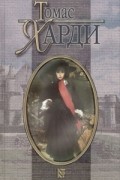
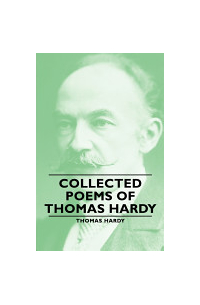
Каждый день я читаю стихи. Каждый день я читаю поэтов. Эту книгу я читала несколько лет, в ней вся его поэзия, все сборники стихов в порядке их выхода, в ней вся его жизнь.
Очень многие писатели считали себя прежде всего поэтами, однако не все были ими, он же был ПОЭТ. Он начал писать романы по разным причинам - самоутверждение, деньги, слава, он писал романы, потому что ему было, что сказать. Он писал прекрасные романы, но никогда не переставал писать стихи, многие романы выросли из стихов, и когда после тяжелой реакции прессы и читательской публики на "Джуда" он зарекся писать романы, поэзия стала мощнейшим присутствием, чудом, смыслом жизни.
Практически каждый роман Томаса Гарди биографичен в той или иной степени, но, как говорят в один голос все его биографы, если вы хотите узнать и понять его жизнь, если хотите познакомиться со всеми событиями, большими и малыми в жизни этого гения, читайте его стихи, там - вся его жизнь. Вся его философия, жизненная позиция, вера и неверие, любовь, еще раз любовь, разочарование и радость. Война, мир, жизнь, смерть.
Так много прекрасных поэтов, так много прекрасных писателей, трудно, да и не нужно выбрать лучшего, любимейшего. Но я не сильно покривлю душой, и вполне искренне скажу:
Мой самый любимый поэт. Мой самый любимый писатель.
И на совершенно дурацкий вопрос, так любимый американцами - С кем, из прошлых времен, вы хотели бы встретиться - я всегда отвечу - C англичанином Томасом Харди, чтобы поблагодарить его за то, что он вот уже десять лет делает с моей душой.
REGRET not me;
Beneath the sunny tree
I lie uncaring, slumbering peacefully.
Swift as the light
I flew my faery flight;
Ecstatically I moved, and feared no night.
I did not know
That heydays fade and go,
But deemed that what was would be always so.
I skipped at morn
Between the yellowing corn,
Thinking it good and glorious to be born.
I ran at eves
Among the piled-up sheaves,
Dreaming, "I grieve not, therefore nothing grieves."
Now soon will come
The apple, pear, and plum,
And hinds will sing, and autumn insects hum.
Again you will fare
To cider-makings rare,
And junketings; but I shall not be there.
Yet gaily sing
Until the pewter ring
Those songs we sang when we went gipsying.
And lightly dance
Some triple-timed romance
In coupled figures, and forget mischance;
And mourn not me
Beneath the yellowing tree;
For I shall mind not, slumbering peacefully.

THE RECALCITRANTS
LET us off and search, and find a place
Where yours and mine can be natural lives,
Where no one comes who dissects and dives
And proclaims that ours is a curious case,
Which its touch of romance can scarcely grace
You would think it strange at first, but then
Everything has been strange in its time.
When some one said on a day of the prime
He would bow to no brazen god again
He doubtless dazed the mass of men.
None will see in us a pair whose claims
To righteous judgment we care not making;
Who have doubted if breath be worth the taking,
And have no respect for the current fames
Whence the savour has flown while abide the names.
We have found us already shunned, disdained,
And for re-acceptance have not once striven;
Whatever offence our course has given
The brunt thereof we have long sustained.
Well, let us away, scorned, unexplained.

THE WELL-BELOVED
I WENT by star and planet shine
Towards the dear one's home
At Kingsbere, there to make her mine
When the next sun upclomb.
I edged the ancient hill and wood
Beside the Ikling Way,
Nigh where the Pagan temple stood
In the world's earlier day.
And as I quick and quicker walked
On gravel and on green,
I sang to sky, and tree, or talked
Of her I called my queen.
--"O faultless is her dainty form,
And luminous her mind;
She is the God-created norm
Of perfect womankind!"
A shape whereon one star-blink gleamed
Slid softly by my side,
A woman's; and her motion seemed
The motion of my bride.
And yet methought she'd drawn erstwhile
Out from the ancient leaze,
Where once were pile and peristyle
For men's idolatries.
--"O maiden lithe and lone, what may
Thy name and lineage be
Who so resemblest by this ray
My darling?--Art thou she?"
The Shape: "Thy bride remains within
Her father's grange and grove."
--"Thou speakest rightly," I broke in,
"Thou art not she I love."
--"Nay: though thy bride remains inside
Her father's walls," said she,
"The one most dear is with thee here,
For thou dost love but me."
Then I: "But she, my only choice,
Is now at Kingsbere Grove?"
Again her soft mysterious voice.
"I am thy only Love."
Thus still she vouched, and still I said,
"O sprite, that cannot be!"...
It was as if my bosom bled,
So much she troubled me.
The sprite resumed: "Thou hast transferred
To her dull form awhile
My beauty, fame, and deed, and word,
My gestures and my smile.
"O fatuous man, this truth infer,
Brides are not what they seem;
Thou lovest what thou dreamest her;
I am thy very dream!"
--"O then," I answered miserably,
Speaking as scarce I knew,
"My loved one, I must wed with thee
If what thou sayest be true!"
She, proudly, thinning in the gloom:
"Though, since troth-plight began,
I have ever stood as bride to groom,
I wed no mortal man!"
Thereat she vanished by the lane
Adjoining Kingsbere town,
Near where, men say, once stood the Fane
To Venus, on the Down.
--When I arrived and met my bride
Her look was pinched and thin,
As if her soul had shrunk and died,
And left a waste within.

THE MOTH-SIGNAL
(On Egdon Heath)
"WHAT are you still, still thinking,"
He asked in vague surmise,
"That you stare at the wick unblinking
With those deep lost luminous eyes?"
"O, I see a poor moth burning
In the candle flame;" said she,
"Its wings and legs are turning
To a cinder rapidly."
"Moths fly in from the heather,"
He said, "now the days decline."
"I know," said she. "The weather,
I hope, will at last be fine.
"I think," she added lightly,
"I'll look out at the door.
The ring the moon wears nightly
May be visible now no more."
She rose, and, little heeding,
Her life-mate then went on
With his mute and museful reading
In the annals of ages gone.
Outside the house a figure
Came from the tumulus near,
And speedily waxed bigger,
And clasped and called her Dear.
"I saw the pale-winged token
You sent through the crack," sighed she.
"That moth is burnt and broken
With which you lured out me.
"And were I as the moth is
It might be better far
For one whose marriage troth is
Shattered as potsherds are!"
Then grinned the Ancient Briton
From the tumulus treed with pine:
"So, hearts are thwartly smitten
In these days as in mine!"