Литературоведение, литературная критика, история литературы
innashpitzberg
- 269 книг
Это бета-версия LiveLib. Сейчас доступна часть функций, остальные из основной версии будут добавляться постепенно.

Ваша оценкаЖанры
Ваша оценка
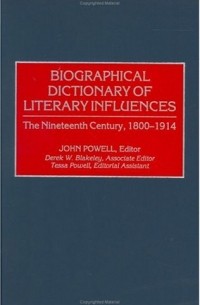
Это для тех, кто любит прослеживать влияния писателей на других писателей, философов, и т.д. Так как это одно из моих страстных увлечений - прослеживать в истории литературы именно влияния и взаимосвязи, то читался этот справочник на одном дыхании, как детектив.
Много полезной и интересной информации, по большей части уже известной, но были и очень интересные открытия.

From an early age, literature influenced her thoughts. Bunyan's Pilgrim's Progress, which the March sisters in Little Women read and from which Alcott took many of the novel's chapter titles, was a family favorite. Modern writers also figured prominently: Scott, Goethe, Hawthorne, Frederika Bremer, and Fanny Burney. But Dickens ranked above the rest. Alcott's journals over three decades reveal her and her family reading, rereading, and dramatizing scenes from Oliver Twist, Dombey and Son, David Copperfield, and Bleak House; in Little Women, the sisters form the ʻPickwick Club,ʻ producing a weekly newspaper, The Pickwick Portfolio. Alcott's own aspirations to author- ship also reflected her appreciation for other women authors: After reading a biography of Charlotte Bronte in June 1857, she wrote, ʻSo full of talent, and after working long, just as success, love and happiness come, she dies. Wonder if I shall ever be famous enough for people to care to read my story and struggles. I can't be a C.B., but I may do a little something yetʻ (Journals, 85).

ALCOTT, LOUISA MAY (1832-1888). Louisa May Alcott, U.S. author, was born in Germantown, Pennsylvania, and raised in Boston and Concord, Massachusetts. Her father Bronson Alcott, a leading Transcendentalist and friend of Ralph Waldo Emerson, founded the Fruitlands utopian community (1843- 1844). However, because of his inability to provide adequately for his wife and four daughters, Louisa's writing played a vital role in the family's economic sustenance.

Henry Adams was a man at odds with his world. Adams took the ideas of Agassiz, Lyell, and Comte to tell the history of the decline of Western society. Comte's stages of human thought were adopted by Adams, but it was the the- ological stage that was now highest. So, too, did Adams absorb the varying philosophies of natural history in order to demonstrate that humanity was not evolving upward but was sliding into a precipitous decline. The reader of Henry Adam's works should not be surprised by his gloomy outlook, for Adams was a man in love with order and history in a time of anarchy and change.